Frequently Asked Questions
What are the benefits of epoxy polyaspartic garage floors?
The benefits of epoxy polyaspartic garage floors include exceptional durability, resistance to chemicals and stains, quick installation, and a high-gloss finish that enhances the aesthetic appeal of your garage while providing a low-maintenance solution.
How durable are garage floor coatings?
Garage floor coatings are highly durable, designed to withstand heavy traffic, impact, and chemical spills, ensuring long-lasting protection and aesthetic appeal for your garage space.
What is the installation process for garage flooring?
The installation process for garage flooring involves several key steps: first, we prepare the surface using advanced dustless grinding technology, followed by applying high-performance epoxy or polyaspartic coatings to ensure durability and a flawless finish.
What makes epoxy polyaspartic floors unique?
The uniqueness of epoxy polyaspartic floors lies in their exceptional durability, rapid curing time, and resistance to chemicals and UV light, making them ideal for high-traffic areas while enhancing the aesthetic appeal of any garage space.
How long do garage floor coatings last?
Garage floor coatings typically last between 10 to 20 years, depending on the type of coating used and the level of maintenance. High-performance options like epoxy and polyaspartic can offer enhanced durability and longevity.
Are epoxy polyaspartic floors slip-resistant?
Epoxy polyaspartic floors are indeed slip-resistant. Their surface can be enhanced with anti-slip additives, providing a safer environment even in wet conditions, making them an excellent choice for garage flooring.
What colors are available for garage flooring?
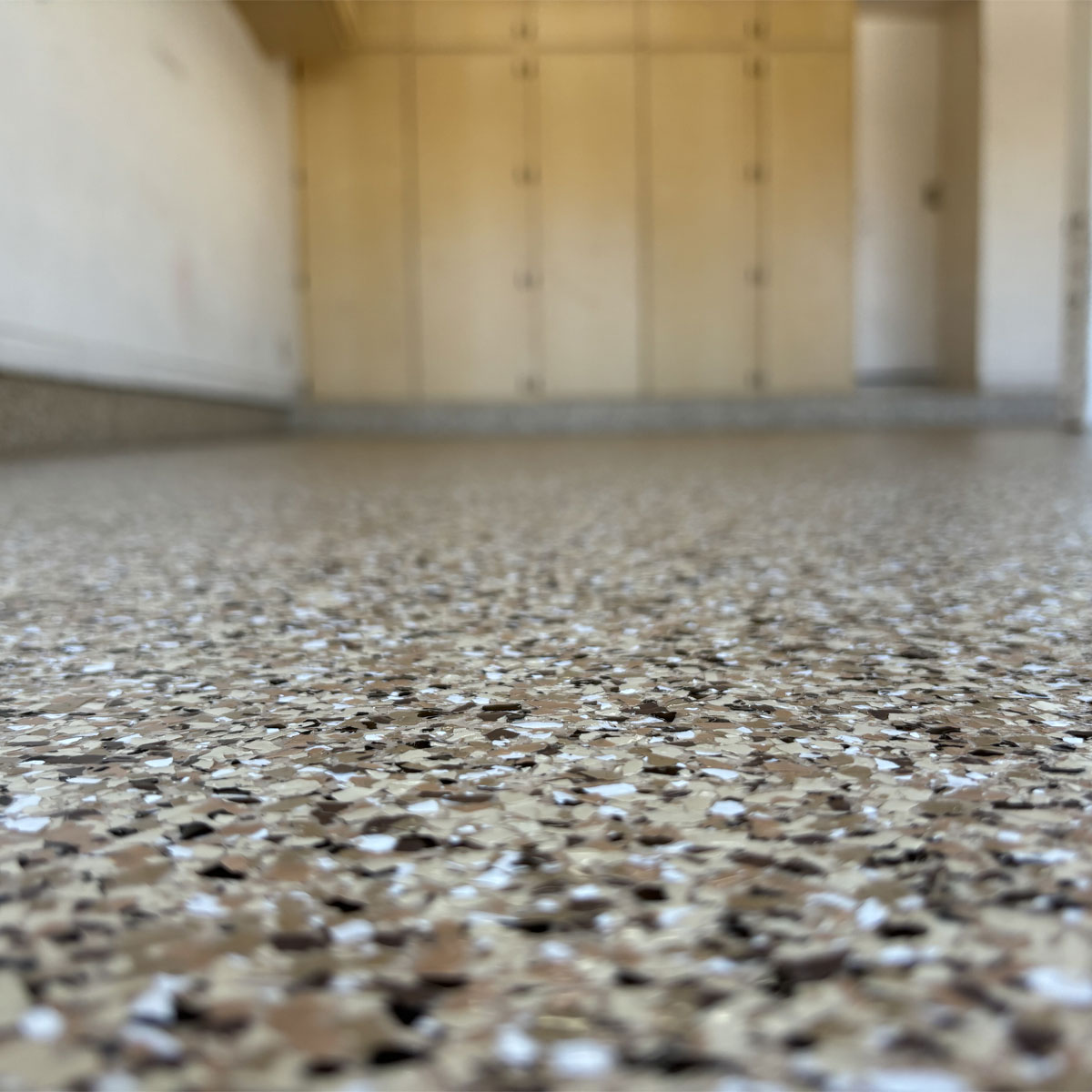
The available colors for garage flooring include a wide range of options, such as solid colors, metallic finishes, and various flake blends. Popular choices often feature shades like gray, beige, and blue, allowing customization to suit your style.
How do I maintain my garage floor?
Maintaining your garage floor involves regular cleaning and occasional sealing. Sweep or vacuum debris, mop with a mild detergent, and inspect for cracks. For enhanced longevity, consider applying a fresh coat of sealant every few years.
Can I install garage flooring myself?
Installing garage flooring yourself is possible, but it requires careful preparation and the right tools. For optimal results, consider professional installation to ensure durability and a flawless finish.
What is the cost of epoxy flooring?
The cost of epoxy flooring varies based on factors such as the size of the garage and the complexity of the installation. Typically, prices range from $3 to $12 per square foot, including materials and labor.
How does temperature affect installation?
Temperature significantly affects installation. Ideal conditions for epoxy and polyaspartic coatings are between 60°F and 90°F, as extreme temperatures can impact curing times and adhesion, potentially compromising the durability and finish of your garage flooring.
What preparation is needed before installation?
Preparation needed before installation includes clearing the garage of all items, ensuring the concrete surface is clean and dry, and addressing any cracks or imperfections. This ensures optimal adhesion and a flawless finish for your new garage flooring.
Are there eco-friendly garage flooring options?
Eco-friendly garage flooring options are available, including low-VOC epoxy and polyaspartic coatings. These materials minimize environmental impact while providing durability and aesthetic appeal for your garage space.
How do garage coatings resist stains?
Garage coatings resist stains through their non-porous surfaces, which prevent liquids from penetrating and bonding. Additionally, high-performance materials like epoxy and polyaspartic create a durable barrier that is easy to clean and maintain, ensuring long-lasting protection.
What is the curing time for epoxy floors?
The curing time for epoxy floors is typically 24 to 72 hours, depending on the specific product and environmental conditions. Full hardness and durability are usually achieved within 7 days, ensuring a long-lasting finish for your garage.
Can I apply coatings over existing floors?
You can apply coatings over existing floors. However, it's essential to ensure that the surface is clean, dry, and in good condition to achieve optimal adhesion and durability of the new coating.
How do I choose the right flooring type?
Choosing the right flooring type involves considering factors such as durability, aesthetics, and maintenance needs. For garages, epoxy and polyaspartic coatings are excellent options, offering resilience and a polished look.
What are the advantages of polyaspartic coatings?
The advantages of polyaspartic coatings include exceptional durability, rapid curing times, and resistance to chemicals and UV damage, making them ideal for enhancing the longevity and appearance of garage floors.
How do garage floors handle heavy vehicles?
Garage floors are designed to handle heavy vehicles through the use of durable materials like epoxy and polyaspartic coatings, which provide excellent strength and resistance to impact, ensuring they can withstand the weight and stress of large vehicles.
What tools are needed for installation?
The tools needed for installation include a floor grinder, vacuum, epoxy or polyaspartic coating applicator, roller, and safety equipment such as gloves and goggles. These tools ensure a smooth and efficient flooring application.
How do I clean my epoxy floor?
Cleaning your epoxy floor involves sweeping or vacuuming to remove debris, followed by mopping with a pH-neutral cleaner and warm water. Avoid harsh chemicals to maintain the floor's shine and integrity.
What are common issues with garage flooring?
Common issues with garage flooring include cracks, moisture damage, peeling, and staining. These problems can arise from heavy vehicle traffic, temperature fluctuations, and inadequate installation, impacting both the appearance and durability of the flooring.
How does dustless grinding improve installation?
Dustless grinding enhances installation by minimizing dust and debris, ensuring a cleaner workspace. This process allows for better adhesion of coatings, leading to a smoother and more durable finish on your garage floor.
Can garage flooring be customized?
Garage flooring can be customized to meet your specific aesthetic and functional needs. At Gear Up Garage, we offer a variety of colors, patterns, and finishes for our epoxy and polyaspartic coatings, allowing you to create a unique look for your garage.
What warranties are offered on flooring?
The warranties offered on flooring include a limited lifetime warranty on materials and a specific warranty period for workmanship, ensuring your investment is protected against defects and providing peace of mind for years to come.
How do I prepare my garage for installation?
Preparing your garage for installation involves clearing the space of all items, ensuring the floor is clean and free of debris, and addressing any necessary repairs beforehand. This will facilitate a smooth installation process for your new flooring.
What are the benefits of professional installation?
The benefits of professional installation include expert craftsmanship, ensuring optimal application of coatings, and adherence to safety standards. This results in a durable, aesthetically pleasing garage floor that enhances your space and minimizes the risk of costly mistakes.
How do I know if my floor needs repair?
The signs that your floor needs repair include visible cracks, peeling coatings, or uneven surfaces. Additionally, if you notice water pooling or significant wear, it's time to consider professional evaluation and repair options.
What is the lifespan of polyaspartic coatings?
The lifespan of polyaspartic coatings is typically 10 to 20 years, depending on factors such as usage, maintenance, and environmental conditions. This durability makes them an excellent choice for high-traffic garage areas.
How do I remove old garage flooring?
Removing old garage flooring involves several steps: first, clear the area of any items, then use a floor scraper or a jackhammer for stubborn materials, and finally, clean the surface thoroughly to prepare for new flooring.